
Minnesota winters are no joke, and when temperatures plunge, your home’s plumbing becomes especially vulnerable. Frozen pipes can cause major damage, expensive repairs and significant stress for homeowners. As an experienced house inspector serving St. Paul and the surrounding Twin Cities area, AmeriSpec knows exactly what to look for when evaluating a home’s cold-weather readiness. With a little preparation, you can greatly reduce your risk of freezing pipes and protect your home all season long.
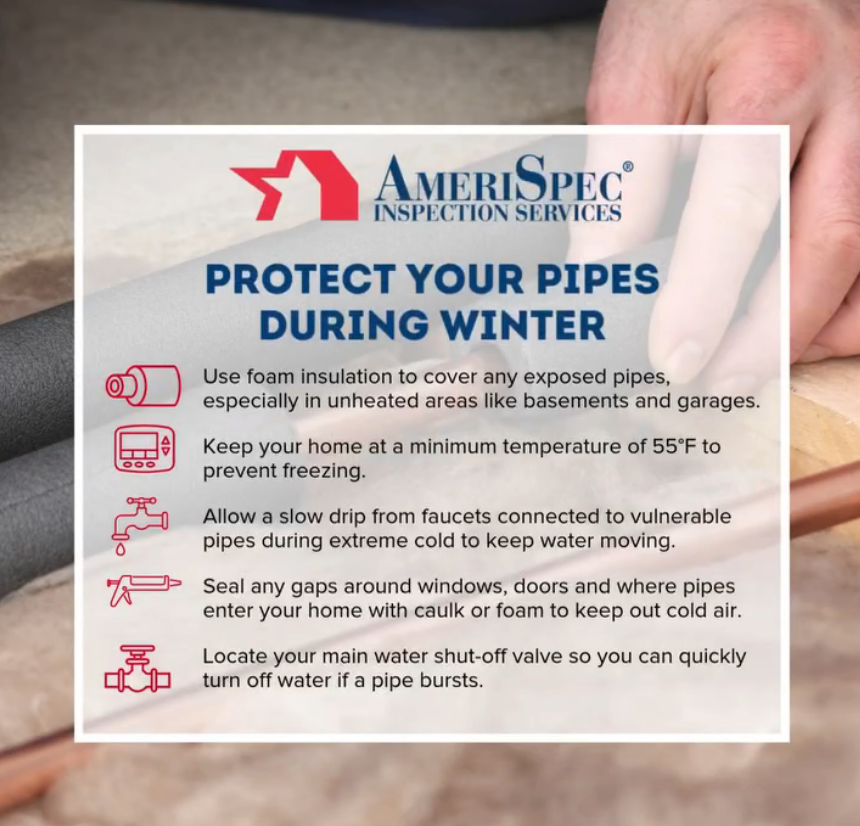
A reliable first step is insulating any exposed pipes. In many Minnesota homes, pipes run through basements, crawl spaces, utility rooms and garages, all of which can dip to dangerously low temperatures once winter settles in. Foam pipe insulation is an inexpensive, effective solution that helps keep the water inside from freezing. Your AmeriSpec house inspector will often flag uninsulated pipes during an inspection because this small upgrade can prevent large-scale issues down the road.
Another key factor in preventing frozen pipes is maintaining a consistent indoor temperature. Even if you are heading out of town or closing off little-used rooms, keep your thermostat set no lower than 55 degrees Fahrenheit. This baseline temperature ensures that warm air continues circulating around your plumbing. When homeowners set the thermostat too low during cold snaps, the risk of freezing increases dramatically.
During periods of extreme cold, allowing a slow drip from faucets connected to vulnerable pipes can also help. Moving water is far less likely to freeze, and even a small, steady stream relieves pressure within the line. This simple action can prevent the kind of pipe burst that leads to significant water damage. An AmeriSpec house inspector commonly recommends this technique for older homes or for pipes that run along exterior walls.
Sealing gaps around your home is another essential piece of winter protection. Cold air can sneak in around windows, doors, sill plates and anywhere pipes enter the structure. Using caulk or expanding foam to close these gaps helps keep both warm air in and icy drafts out. Not only does this protect your plumbing, but it also improves your home’s overall energy efficiency.
Finally, make sure you know the location of your main water shut-off valve. If a pipe ever does burst, shutting off the water quickly can drastically reduce damage. AmeriSpec house inspectors make a point of identifying this valve during an inspection so homeowners feel confident in how to respond during an emergency.
Preparing for Minnesota’s frigid winters takes a little effort, but the payoff is peace of mind. With smart preventative steps and guidance from a trusted AmeriSpec house inspector, you can keep your pipes safe and your home protected all winter long. Give us a call today at 952-854-5110 or contact us!