
October is National Fire Prevention Month, making it a great time to take a closer look at one of the most important safety devices in your home: your smoke detectors. A working smoke detector can provide an early warning when a fire starts, giving your household valuable time to get outside safely.
But simply having smoke detectors is not enough. They need to be installed in the right locations, tested regularly and maintained properly. Homeowners should also know when it is time to replace a smoke detector and what to do when a hardwired smoke detector needs to be replaced.
At AmeriSpec, we are proud to be the go-to choice for a house inspector in Minneapolis and the surrounding Twin Cities area. As part of our home inspections, we look at important safety features throughout the home, including smoke detectors, to help homeowners better understand the condition of their property and identify potential concerns.
How Many Smoke Detectors Should Be in a Home?
The number of smoke detectors your home needs depends on its size and layout. As a general rule, smoke alarms should be installed inside every bedroom, outside each separate sleeping area and on every level of the home, including the basement.
Larger homes may require additional smoke detectors to provide adequate coverage. The goal is to make sure an alarm can be heard throughout the home and that people have an early warning no matter where a fire begins.
If your home has multiple levels, pay particular attention to stairways and areas connecting different parts of the house. Smoke detectors should be positioned according to manufacturer instructions and applicable local building and fire safety requirements.
Where Should Smoke Detectors Be Installed?
Proper smoke detector placement is just as important as having enough alarms. Install smoke detectors inside each bedroom and outside sleeping areas so an alarm can alert people while they are sleeping.
You should also have smoke detectors on every floor of your home. This includes the basement and finished attic areas when applicable.
Avoid installing smoke detectors too close to kitchens, bathrooms or areas where normal household activities could cause frequent false alarms. For example, steam from a shower or cooking smoke can trigger an alarm unnecessarily.
Always follow the manufacturer’s installation instructions when determining the appropriate location for your specific smoke detector.
Test Your Smoke Detectors Every Month
Smoke detectors should be tested at least once a month to make sure they are functioning properly. Testing takes only a few seconds but can help identify a problem before you actually need the alarm.
Press the test button on each smoke detector and listen for the alarm. If the detector does not sound, check the batteries and make sure the unit is receiving power if it is hardwired.
Do not ignore a detector that is chirping, malfunctioning or otherwise behaving unexpectedly. A smoke detector that does not work properly cannot provide the warning your household needs during a fire.
Replace Smoke Detector Batteries as Needed
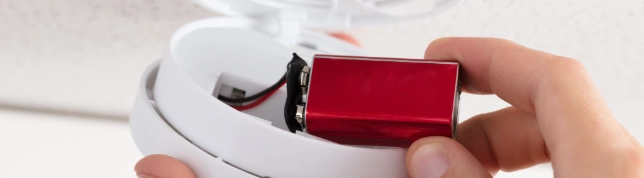
Battery-powered smoke detectors require regular battery replacement. If a detector begins making a periodic chirping sound, it may be warning you that the battery is low.
Replace the battery as soon as needed and test the detector afterward. It is also a good idea to check the batteries whenever you perform your monthly smoke detector test.
Some newer smoke detectors use sealed batteries that are designed to last for the life of the unit. These detectors still need to be tested regularly and replaced when they reach the end of their service life.
How to Replace a Hardwired Smoke Detector
Hardwired smoke detectors are connected to your home’s electrical system and often have a battery backup. If a hardwired smoke detector needs to be replaced, start by turning off power to the circuit at the electrical panel.
Remove the old detector from its mounting bracket and disconnect the wiring according to the manufacturer’s instructions. Install the new mounting bracket if necessary, connect the new detector’s wiring as directed and secure the detector in place.
Once the installation is complete, restore power and test the detector. If you are uncomfortable working with electrical wiring, contact a qualified professional rather than attempting the replacement yourself.
It is also important to make sure replacement detectors are compatible with your home’s existing system. Hardwired smoke detectors may be interconnected, meaning when one alarm detects smoke, the other alarms in the home also sound.
Check Your Smoke Detectors This October
National Fire Prevention Month is an excellent reminder to make smoke detector maintenance part of your regular home safety routine. Walk through your home and count your smoke detectors. Check their locations, test every unit and replace batteries when needed.
If your smoke detectors are old, damaged or no longer functioning properly, it may be time for replacement. Taking a few minutes to inspect your smoke detectors now can help make your home safer for everyone inside.
AmeriSpec can help homeowners identify potential safety concerns during a professional home inspection. Contact AmeriSpec at 952-854-5110 to learn more about protecting your home and keeping important safety systems in good working order.