
A sump pump is one of the most important pieces of equipment in many homes, especially those with basements or crawl spaces that are prone to moisture. While most homeowners rarely think about their sump pump until there is a problem, this small device plays a major role in protecting your home from water damage, mold growth and costly repairs.
During a home inspection, AmeriSpec inspectors often evaluate the condition and operation of sump pumps because a properly working system can help prevent serious issues. Understanding what a sump pump looks like, how it works and how to maintain it can help homeowners protect their property.
What Does a Sump Pump Look Like?
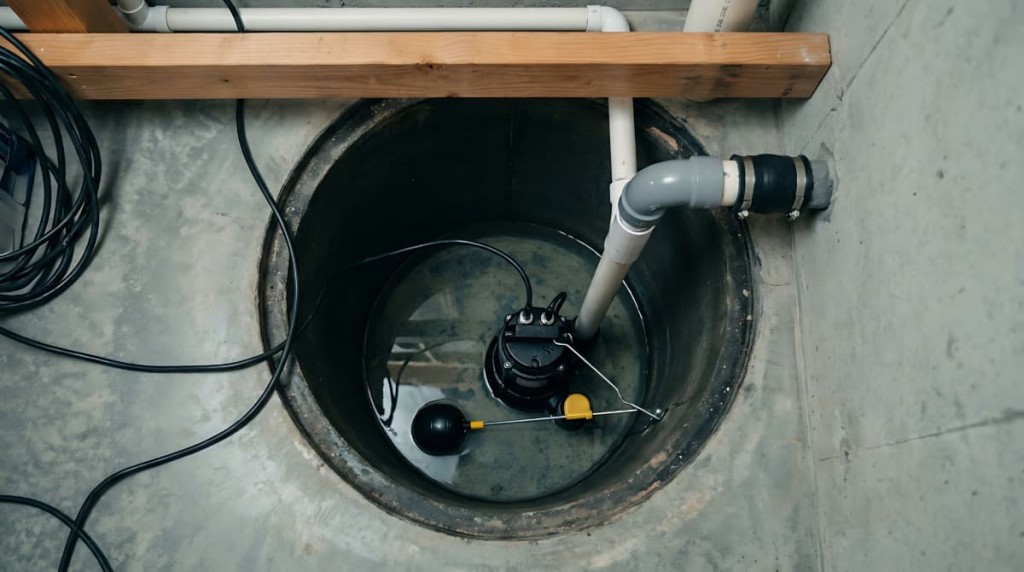
A sump pump is typically located in the lowest part of a basement, crawl space or utility area. It sits inside a sump pit, which is a specially designed basin installed below floor level to collect excess water.
Most sump pumps include:
- A sump pit: A round or square container set into the floor that collects groundwater or drainage water.
- The pump unit: A small motorized device that sits inside or beside the pit and removes collected water.
- A discharge pipe: A pipe connected to the pump that carries water away from the home’s foundation.
- A float switch or sensor: A mechanism that activates the pump when water reaches a certain level.
There are two main types of sump pumps: submersible pumps and pedestal pumps. A submersible pump sits inside the sump pit and is usually quieter because it is surrounded by water. A pedestal pump has a motor that sits above the pit and is often used in smaller spaces.
What Does a Sump Pump Do?
The main job of a sump pump is to remove water that collects around your home’s foundation. Without a functioning sump pump, water can build up in the basement or crawl space, potentially causing flooding and structural damage.
Sump pumps help:
- Prevent basement flooding during heavy rain or snowmelt
- Reduce moisture levels that can contribute to mold and mildew
- Protect flooring, walls, furniture and stored belongings
- Redirect groundwater away from your foundation
Homes in areas with high water tables, heavy rainfall or basement foundations are especially likely to benefit from a properly maintained sump pump system.
How to Test a Sump Pump
Testing your sump pump regularly is an important part of home maintenance. A sump pump that has not been used in months may fail when you need it most, especially during a major storm.
Follow these steps to test your sump pump:
- Check the power supply. Make sure the pump is plugged in properly and that the outlet is working.
- Inspect the pump and pit. Remove any visible debris, dirt or buildup that could interfere with operation.
- Pour water into the sump pit. Slowly add enough water to raise the float switch or activate the sensor.
- Watch the pump operate. The pump should turn on, remove the water and shut off automatically.
- Check the discharge pipe. Make sure water is flowing away from the home and that the pipe is not blocked.
If the pump does not activate, makes unusual noises or does not remove water, it may need repair or replacement.
How Often Should You Test a Sump Pump?
Homeowners should test their sump pump at least once or twice a year, ideally before seasons when heavy rain is common. Many experts recommend testing in early spring and fall.
Additional checks are recommended if:
- Your area experiences heavy storms
- Your basement has flooded before
- Your sump pump is older
- You have recently experienced power outages
Regular testing can help identify problems before an emergency occurs.
What to Do If Your Sump Pump Fails
A failed sump pump can quickly lead to water damage, especially during heavy rainfall. If your sump pump stops working, take action as soon as possible.
First, check for simple issues:
- Confirm the pump is receiving power
- Make sure the circuit breaker has not tripped
- Check that the float switch is not stuck
- Remove any debris blocking the pump or discharge pipe
If the pump still does not work, you may need to contact a professional for repair or replacement. In the meantime, remove standing water if possible using buckets, a wet/dry vacuum or another safe method to limit damage.
Many homeowners also consider installing a battery backup sump pump system. A backup system can provide additional protection during power outages, which are often caused by the same storms that create flooding risks.
Protect Your Home with Regular Sump Pump Maintenance
A sump pump is a simple but essential system that helps protect your home from water damage. Knowing what your sump pump looks like, how it works and how to test it can help you avoid unexpected problems.
During a professional home inspection, AmeriSpec inspectors can help identify potential concerns with your home’s systems, including visible issues with sump pumps and water management features. Regular maintenance and inspections can give homeowners greater confidence that their property is prepared for whatever weather comes next. Give us a call today at 952-854-5110 or contact us!